

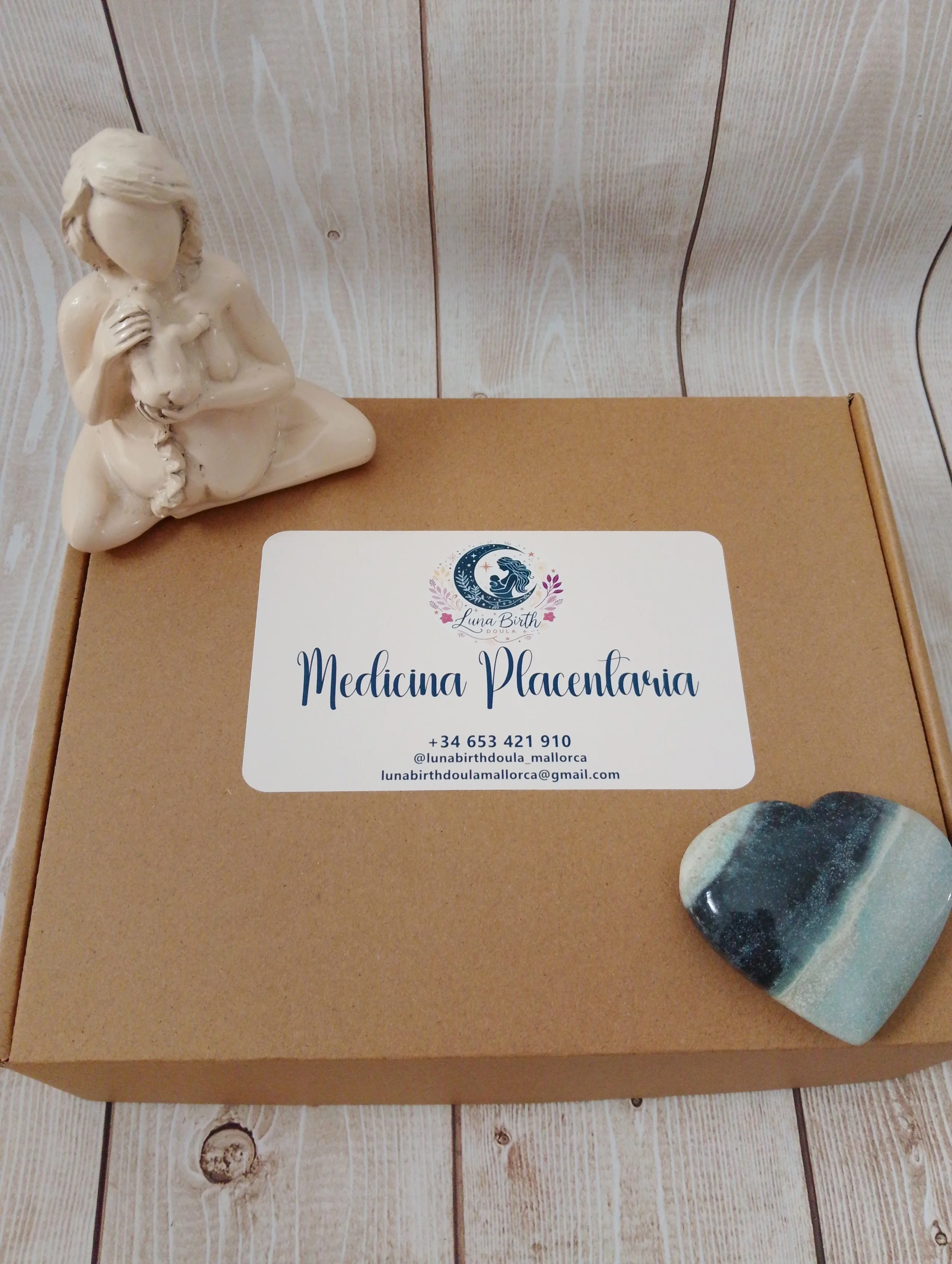
 Image 1 of 5
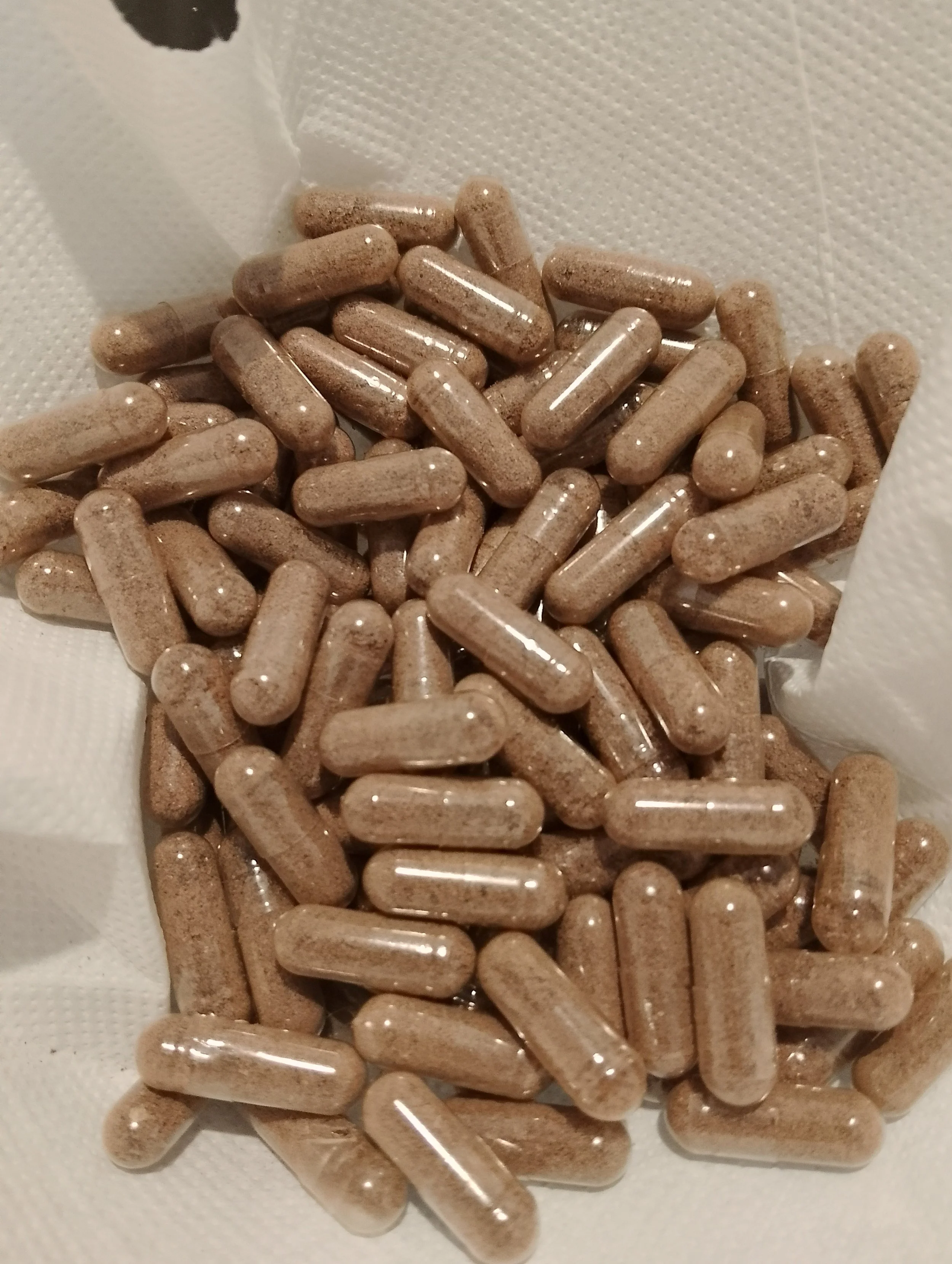 Image 2 of 5
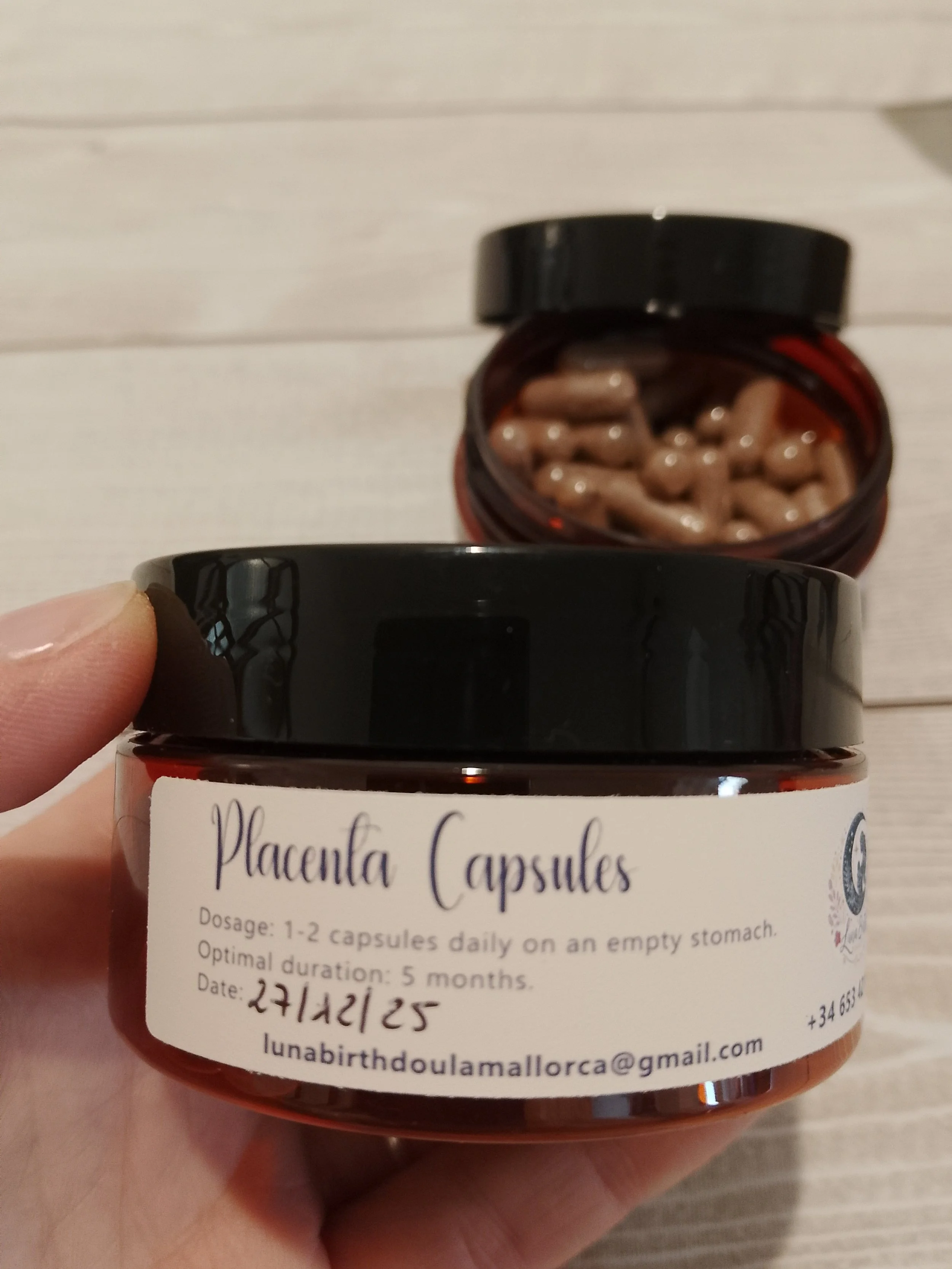 Image 3 of 5
 Image 4 of 5
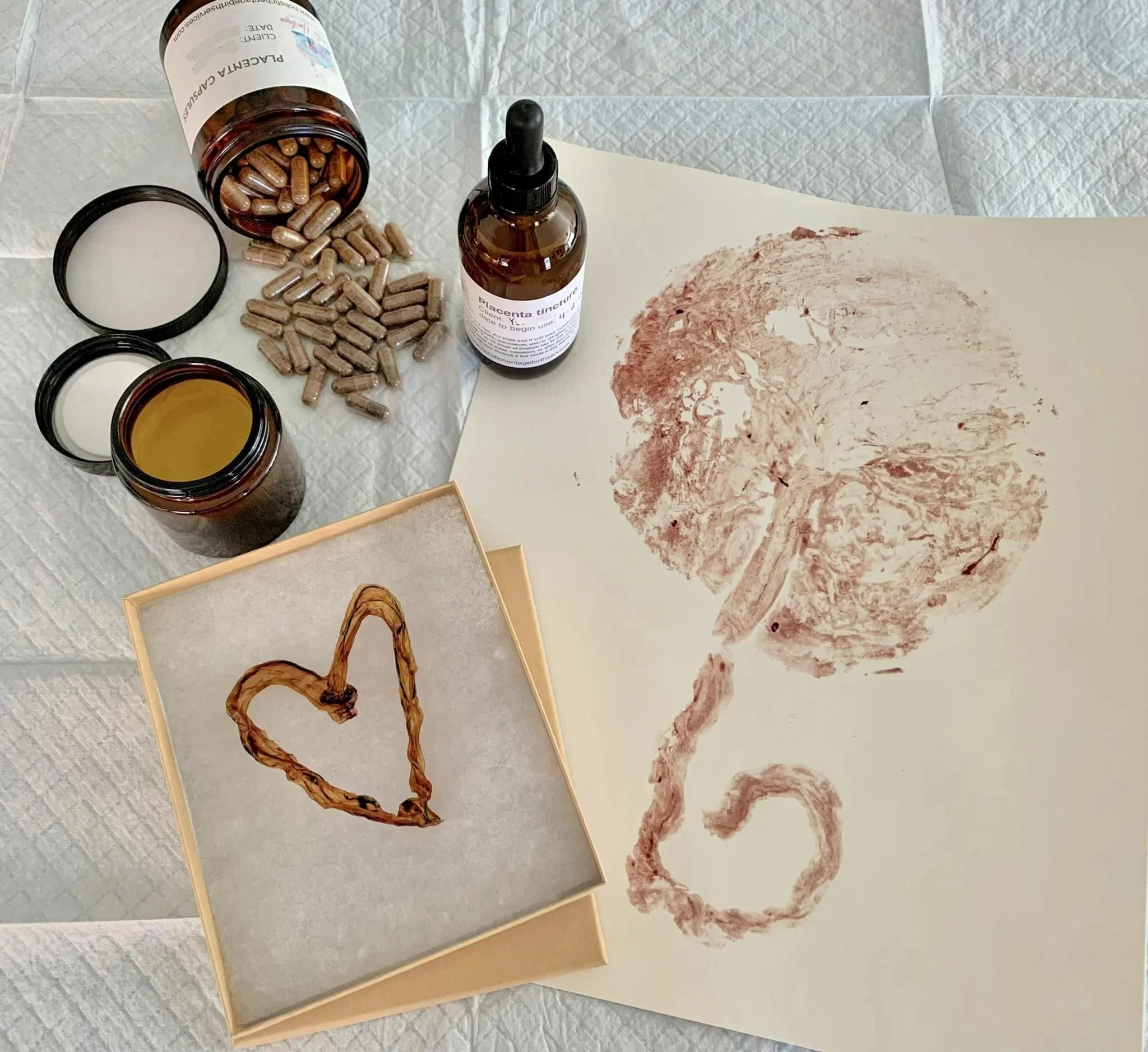 Image 5 of 5
Postpartum Placenta Medicine – Honouring Your Cycle
The birth of a baby is also a profound rebirth for the mother.
The placenta — the incredible organ that nourished and sustained life throughout pregnancy — continues to hold value after birth. In postpartum care, it can be used as a natural resource to support physical recovery, emotional balance, and energetic restoration.
The practice of using the placenta after birth, known as placentophagy, is an ancient tradition that is now being rediscovered by families seeking a more natural and conscious postpartum experience.
Every placenta is unique, just like every birth. Many mothers who choose this practice report benefits such as:
Increased energy and vitality
Support with milk production
Improved mood and emotional balance
Reduced postpartum bleeding
A deeper sense of connection to their birth experience
A study published in the Archives of Women’s Mental Health (2013) found that 96% of women who consumed their placenta reported positive effects, particularly in relation to mood and energy levels.
Another study in the Journal of Midwifery & Women’s Health (2018) examined its nutritional profile and identified notable levels of iron, which may support postpartum recovery and help reduce the risk of anaemia.
While scientific research is still developing, many women continue to report positive personal and emotional experiences with placenta use.
Placenta medicine is a personal choice. It is always important to be well-informed and supported by qualified professionals when considering postpartum practices.
Options can include:
Dehydrated placenta encapsulation (for easy postpartum use)
Mother tincture (long-term support, even into menopause)
Placenta chocolates
Artistic placenta print (a unique birth artwork)
Father tincture (a meaningful ritual of connection and bonding)
Umbilical cord tincture
Handmade baby teether (crafted keepsake for your baby)
And other small surprises created to honour life, love, and new beginnings
Postpartum Placenta Medicine – Honouring Your Cycle
The birth of a baby is also a profound rebirth for the mother.
The placenta — the incredible organ that nourished and sustained life throughout pregnancy — continues to hold value after birth. In postpartum care, it can be used as a natural resource to support physical recovery, emotional balance, and energetic restoration.
The practice of using the placenta after birth, known as placentophagy, is an ancient tradition that is now being rediscovered by families seeking a more natural and conscious postpartum experience.
Every placenta is unique, just like every birth. Many mothers who choose this practice report benefits such as:
Increased energy and vitality
Support with milk production
Improved mood and emotional balance
Reduced postpartum bleeding
A deeper sense of connection to their birth experience
A study published in the Archives of Women’s Mental Health (2013) found that 96% of women who consumed their placenta reported positive effects, particularly in relation to mood and energy levels.
Another study in the Journal of Midwifery & Women’s Health (2018) examined its nutritional profile and identified notable levels of iron, which may support postpartum recovery and help reduce the risk of anaemia.
While scientific research is still developing, many women continue to report positive personal and emotional experiences with placenta use.
Placenta medicine is a personal choice. It is always important to be well-informed and supported by qualified professionals when considering postpartum practices.
Options can include:
Dehydrated placenta encapsulation (for easy postpartum use)
Mother tincture (long-term support, even into menopause)
Placenta chocolates
Artistic placenta print (a unique birth artwork)
Father tincture (a meaningful ritual of connection and bonding)
Umbilical cord tincture
Handmade baby teether (crafted keepsake for your baby)
And other small surprises created to honour life, love, and new beginnings